Leasable square footage, parking counts, construction costs, and revenue projections all shape the early decisions that determine whether a project moves forward.
Those numbers matter.
But the most successful developments do something else well: they create places people want to spend time in — places they remember and want to return to.
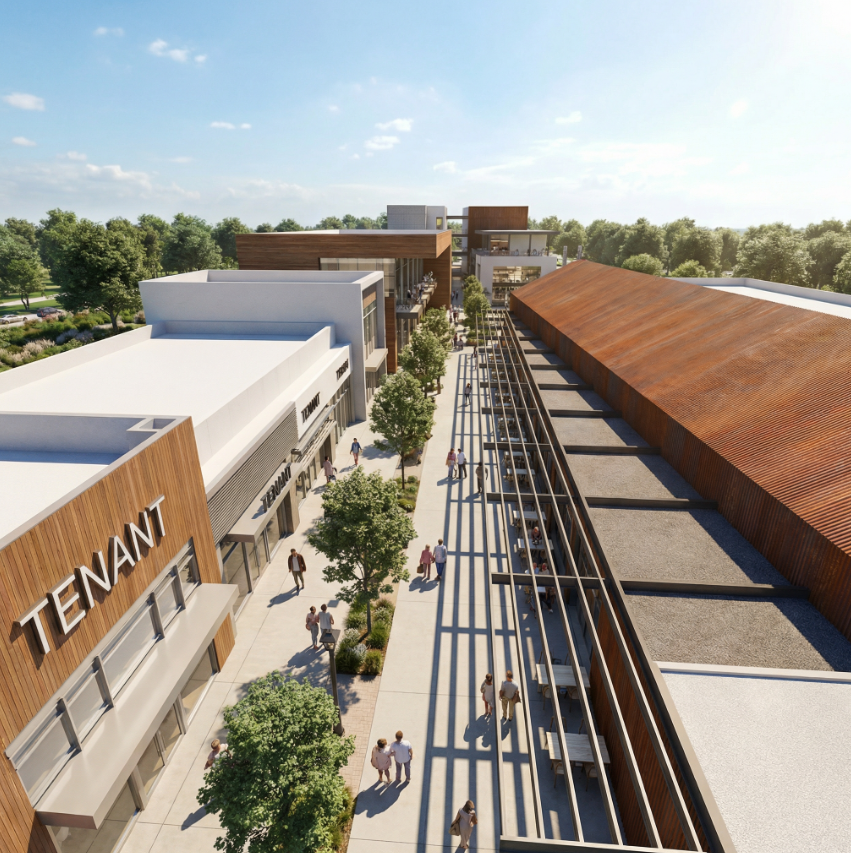
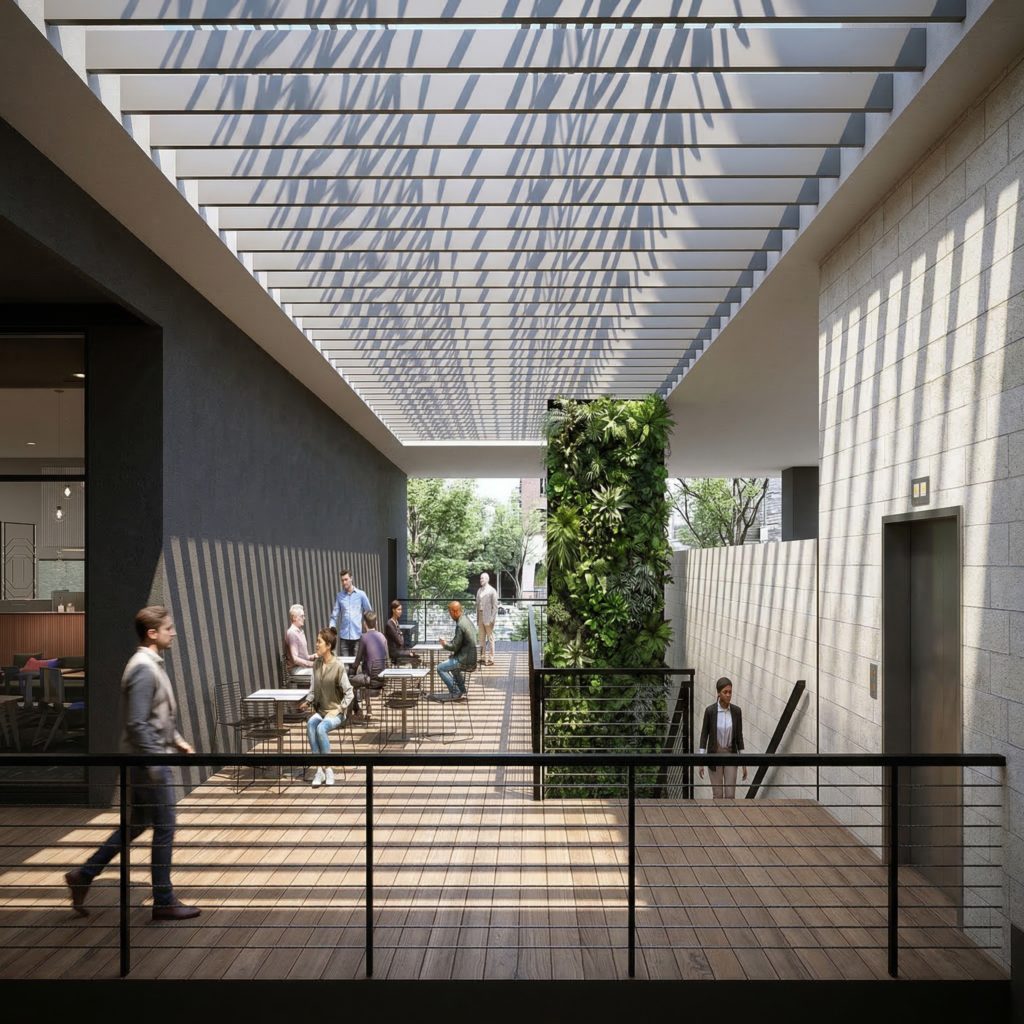
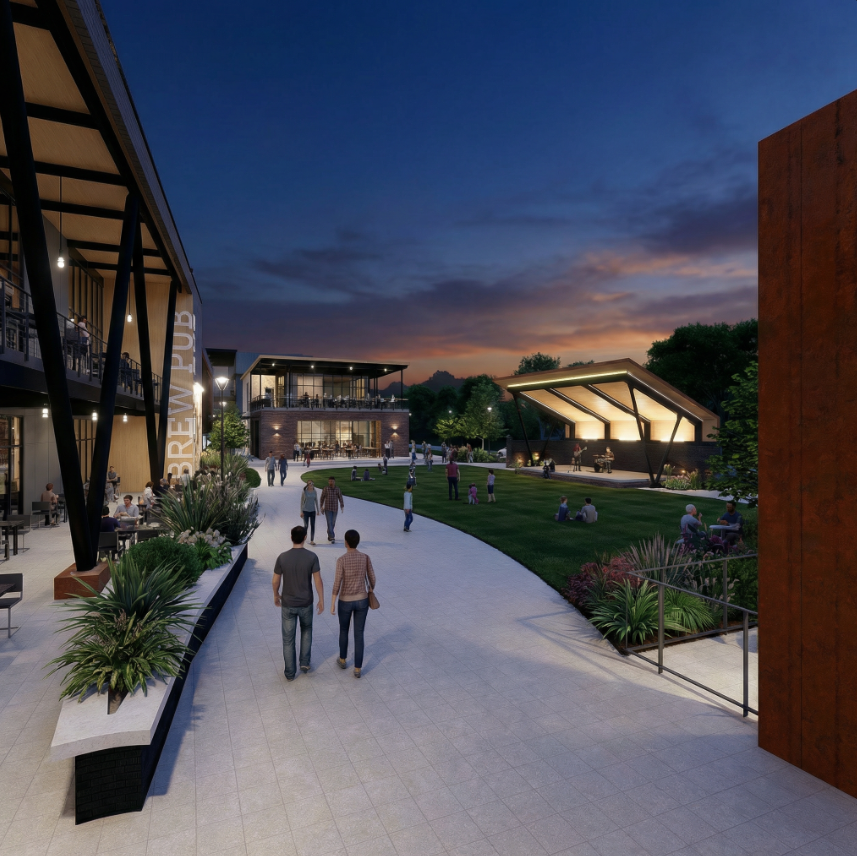
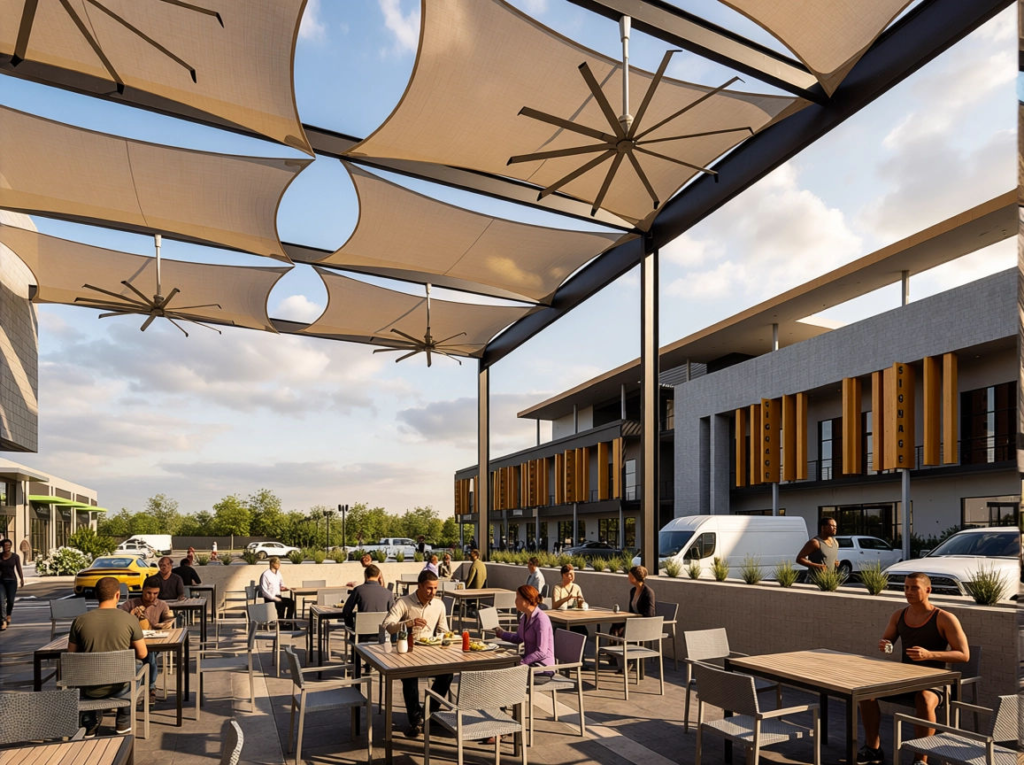
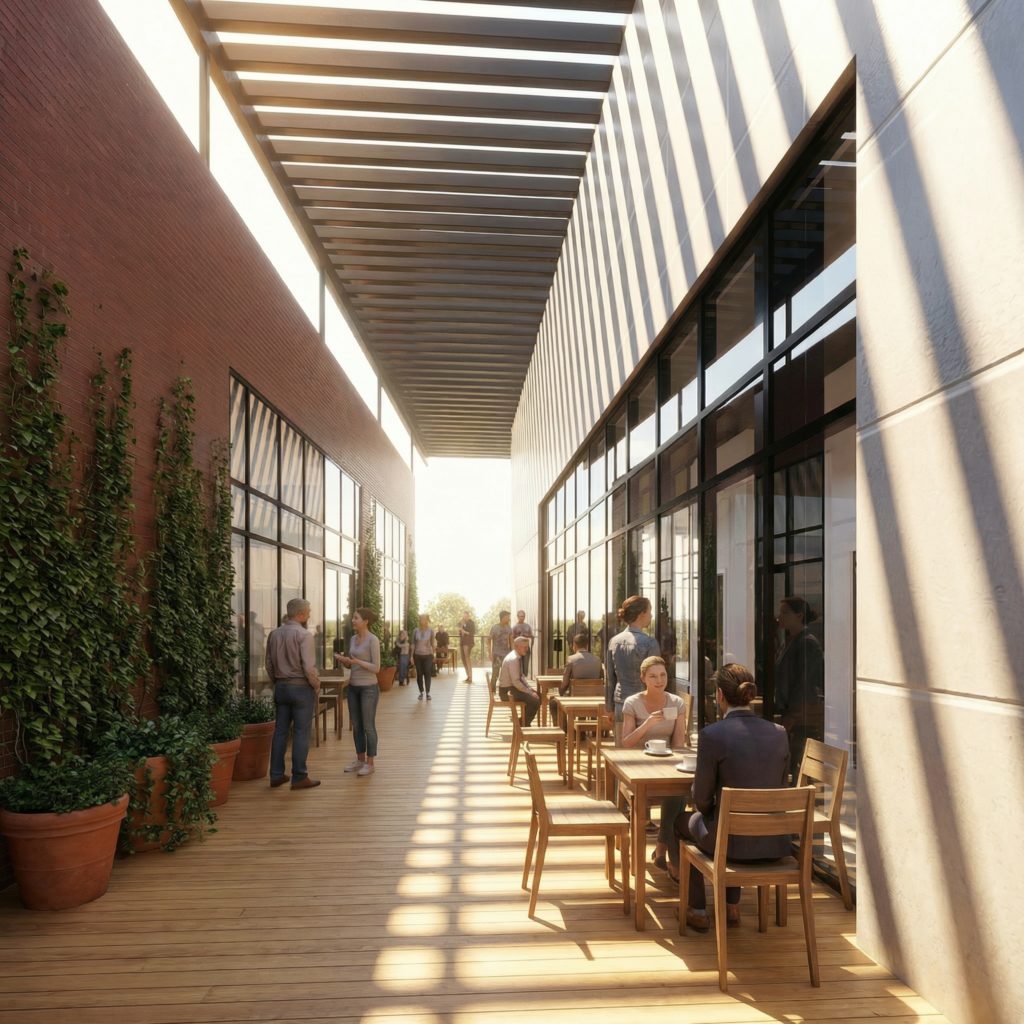
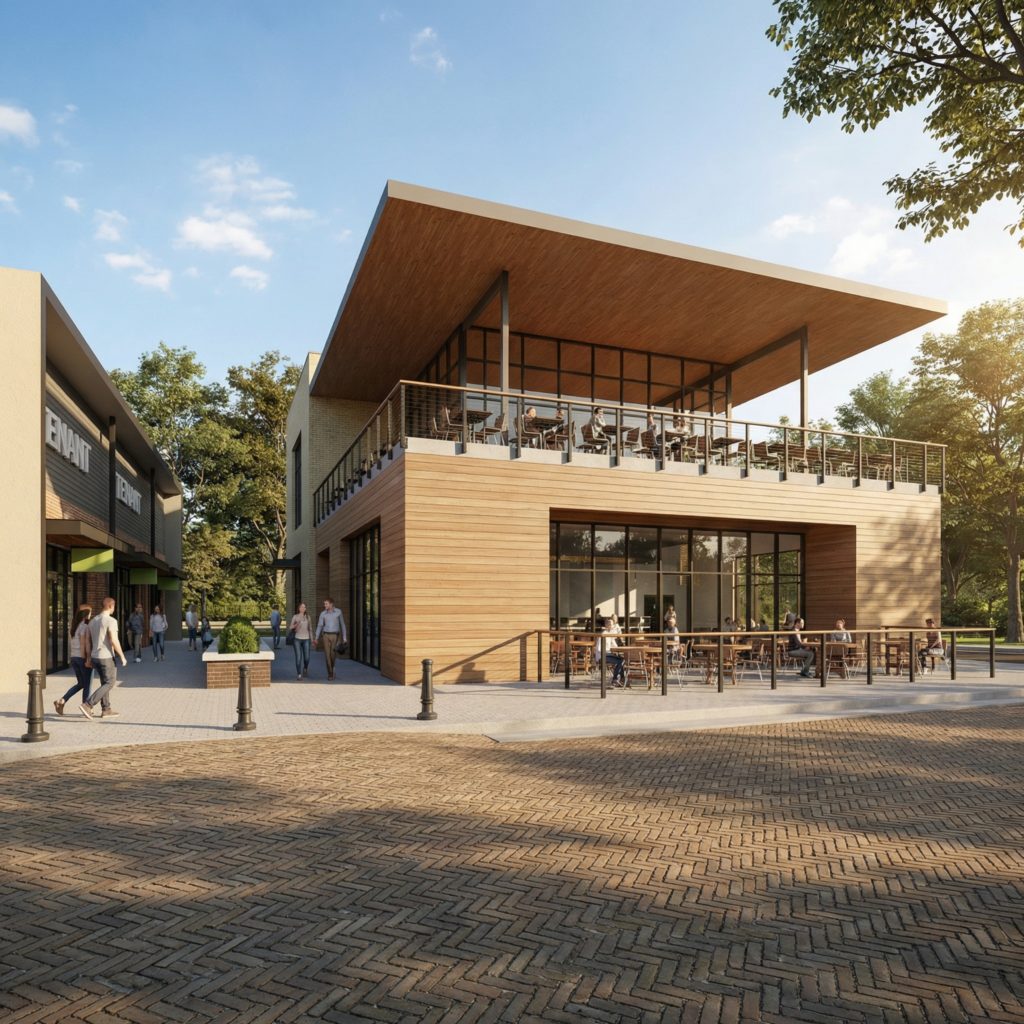
When every square foot is pushed to maximize lease space, and every remaining area becomes parking, projects can lose the connective tissue that makes a development feel special — the walkways, outdoor spaces, landscape moments, and gathering areas that invite people to stay a little longer.
Those spaces may not always show up clearly on a spreadsheet, but they often drive the long-term success of a development.
When you can order almost anything online and have it arrive the next day, the places we create must do more.
They need to feel authentic, intentional, and offer an experience you simply can’t buy online.
When people want to be somewhere — and return again and again — businesses benefit.
This is something we talk about internally often and something we discuss with the developers we work with. We’re fortunate that many of them recognize the value of design and placemaking, balanced with a proforma that performs financially while also creating lasting value for the community.
Because great places must be more than a spreadsheet.
They are places people choose to return to.